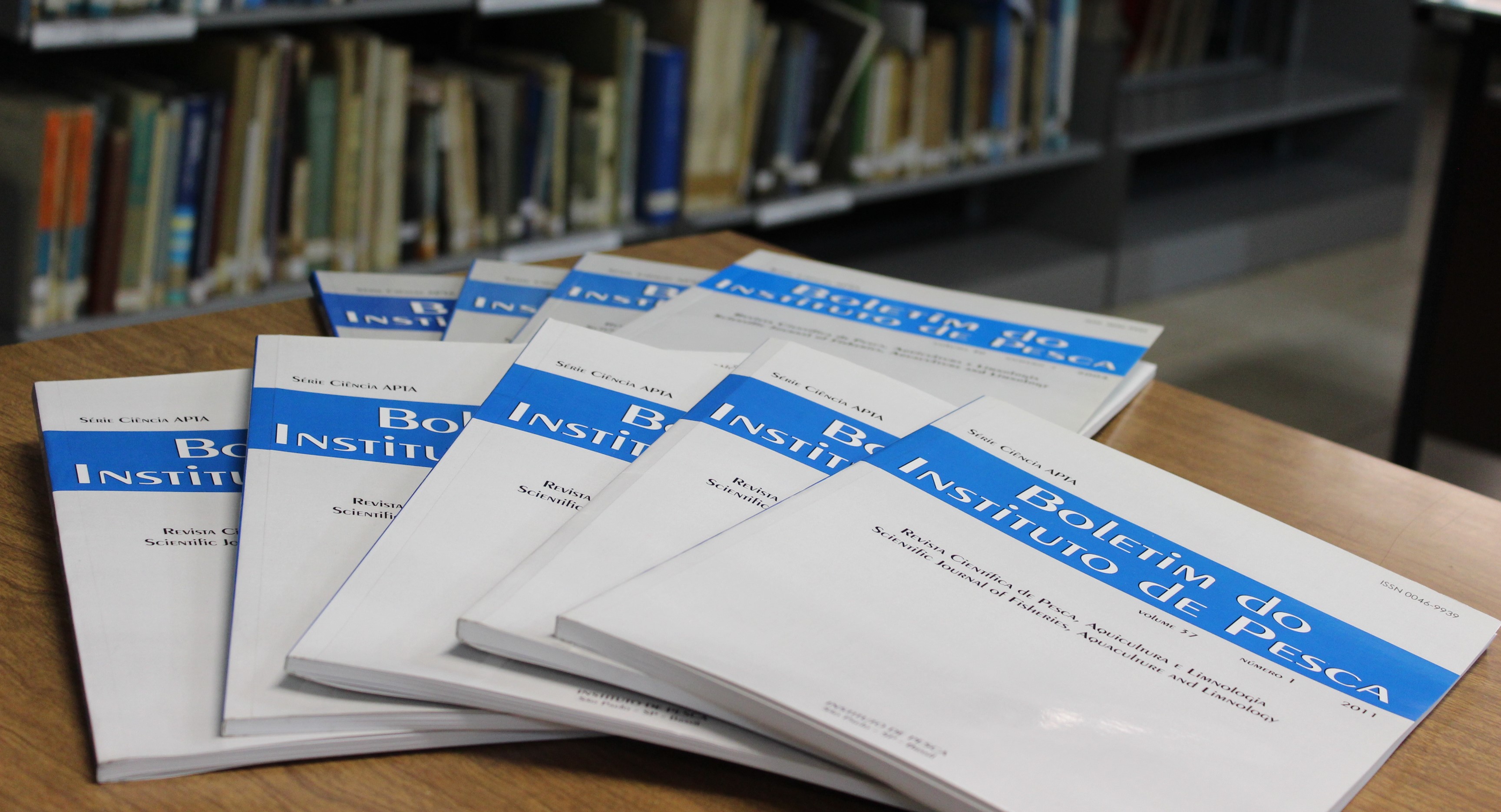
RESILIENCE OF THE SHORTNOSE GUITARFISH (Zapteryx brevirostris): COMPLETE COMPENSATORY GAIN, HEMATOLOGY AND HISTOPATHOLOGY
DOI:
https://doi.org/10.20950/1678-2305.2019.45.2.355Keywords:
blood parameters, histology, nutrition, zootechnical performanceAbstract
Compensatory gain has been used to evaluate the plasticity of species, in adverse situations such as food deprivation. The aim of the present study was to identify the type of compensatory gain achieved by the shortnose guitarfish (Zapteryx brevirostris), in situations of reduction of food resources. Three treatments were used: seven days of food deprivation and fourteen days of refeeding (T7x14); fourteen days of food deprivation and fourteen days of refeeding (T14x14); and feeding every day (TControl). Zootechnical performance, blood samples and histological samples were evaluated. We demonstrated that this species presented complete compensatory gain and that some blood parameters and histological alterations were associated with fasting.