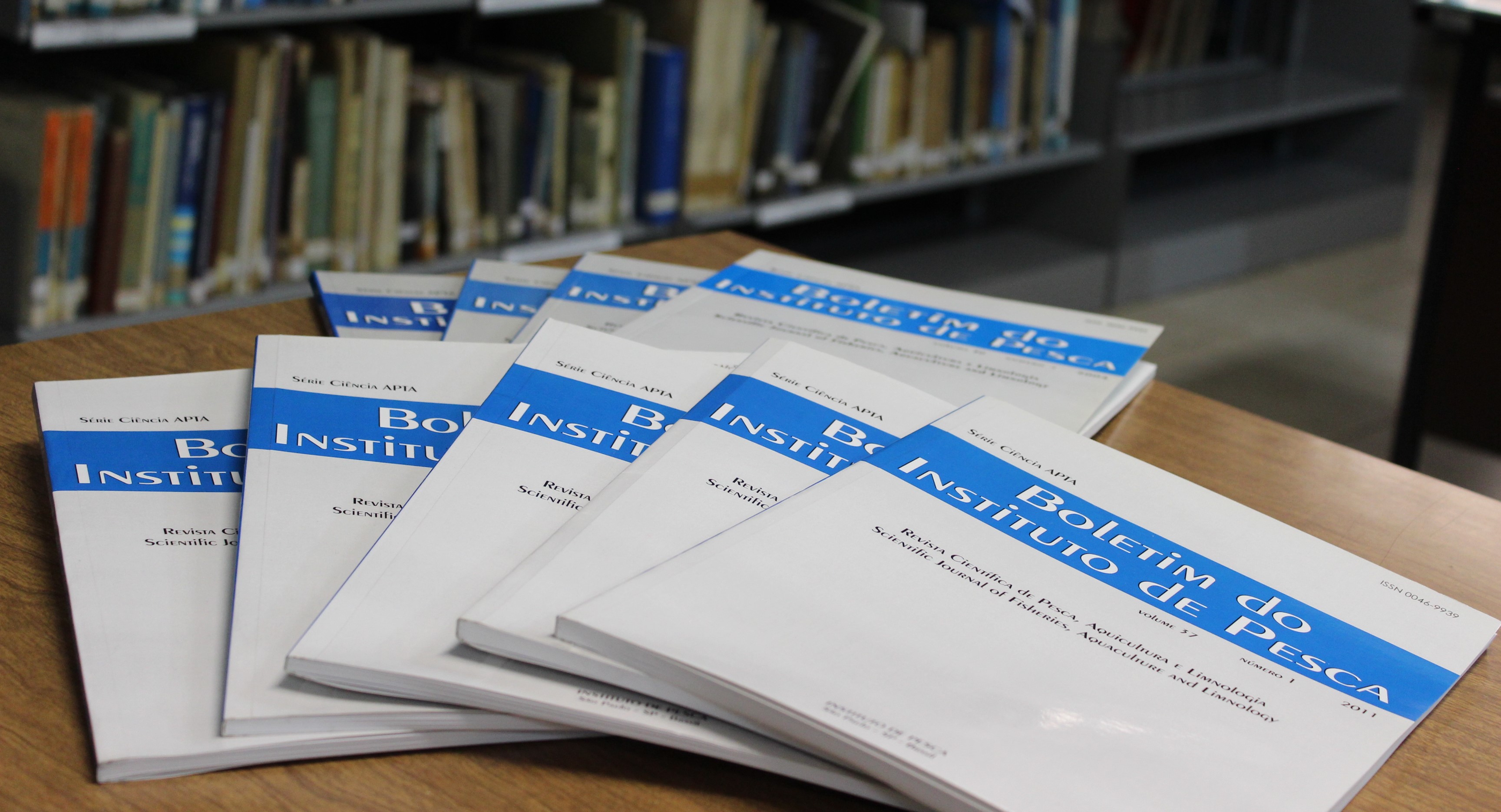
Collagenase from smooth weakfish: extraction, partial purification, characterization and collagen specificity test for industrial application
DOI:
https://doi.org/10.20950/1678-2305.2017v43n1p52Keywords:
byproducts, collagenolytic protease, Cynoscion leiarchus, smooth weakfish, wastesAbstract
Fish processing residues are rich sources of biomolecules with industrial potential, such as enzymes with collagenolytic properties applied in the pharmaceutical, textile and leather sectors. Here, collagenolytic serine proteases were partially purified from the waste (viscera) of smooth weakfish Cynoscion leiarchus and characterized for the purpose of obtaining a value-added product from fisheries resources. The higher activity of the enzyme (72.5 U mL-1) was verified in optimal temperature and pH of 55°C and 8.0 respectively. The enzyme was stable in wide ranges of temperature (25í 60°C) and pH (6.5 to 11.5). The ions Ca2+ and Mg2+ increased the protease activity, whilst Pb2+, Al3+ and Cu2+ had an inhibitory effect, as observed in the presence of Benzamidine and TLCK (inhibitors of serine proteases). Hydrolysis was detected after 48 hours, when the enzyme and bovine collagen type I were incubated together. Thus, digestive viscera of C. leiarchus is suggested as an alternative source of enzymes capable of cleaving type I collagen, with similar biochemical properties to those of bacterial collagenases commonly employed in industrial processes, reducing costs, adding value to the fisheries product and minimizing the environmental impact caused by its waste.